

How to Rebuild Your Brand When You’ve Outgrown It
If the dream is there, trust your intuition and don’t walk away.
Have you ever had to navigate a transition that pushed you into a new season?
I’m in the middle of a rebrand myself, making changes around my next steps, and it brought me back to a time a few years ago when everything felt uncertain. I had been laid off during Covid, like many of us were, and suddenly had to find my way again
It wasn’t just that the world was going through so much — inside, I felt alone in my career path and unsure what direction to take. Looking back, I can see that it was one of the hardest and best seasons of my life, even though I wish it didn’t have to happen that way.
As a new year approaches, and I know many people are searching for clarity, I wanted to share the steps that helped me rebuild my direction, identity, and brand during that time.
When It’s Time to Do Something New
I knew something had to change. I was exhausted by the instability — two layoffs in a row and tired of being underpaid for my skills and experience. I wanted security, growth and a place where I could learn again. That sounded good, but it was vague. I had no idea where to start.
So I followed my intuition.
At the start of the year, I joined a 30-day challenge. It had nothing to do with career development. It was about purpose and saying yes to life. For 30 days, I watched women say yes to their dreams — starting businesses, writing books, moving countries. It opened something in me. It shifted my mindset from fear to possibility. That clarity set the foundation for everything that came after.
How Clarity Really Arrives
By February, I kept feeling that I needed to say yes to something new, but I didn’t know what. One morning, while sitting by the window, a word came to me — the name of a top tech company I’d never heard of before.
My instinct was to rush. I went straight to LinkedIn, sending messages, looking for referrals, trying to make something happen. Nothing worked. No responses. No movement.
That season taught me something:
Clarity and timing are two different things.
You can know the direction, yet still not know the next step. And trying to force outcomes only creates more frustration. Sometimes the clarity arrives early, and the strategy arrives later.
Taking Bold Steps (Even When It Makes No Sense)
Two weeks later, I came across a training programme connected to the brand I had sensed earlier. I didn’t know the company, the founders, or the community around it but I felt pulled toward it.
The problem? The programme was $3,000.
And I resisted.
I had a degree, experience, certifications. I had taught myself so much already. Why invest in something new, especially when I didn’t even have a job lined up?
But the nudge didn’t go away.
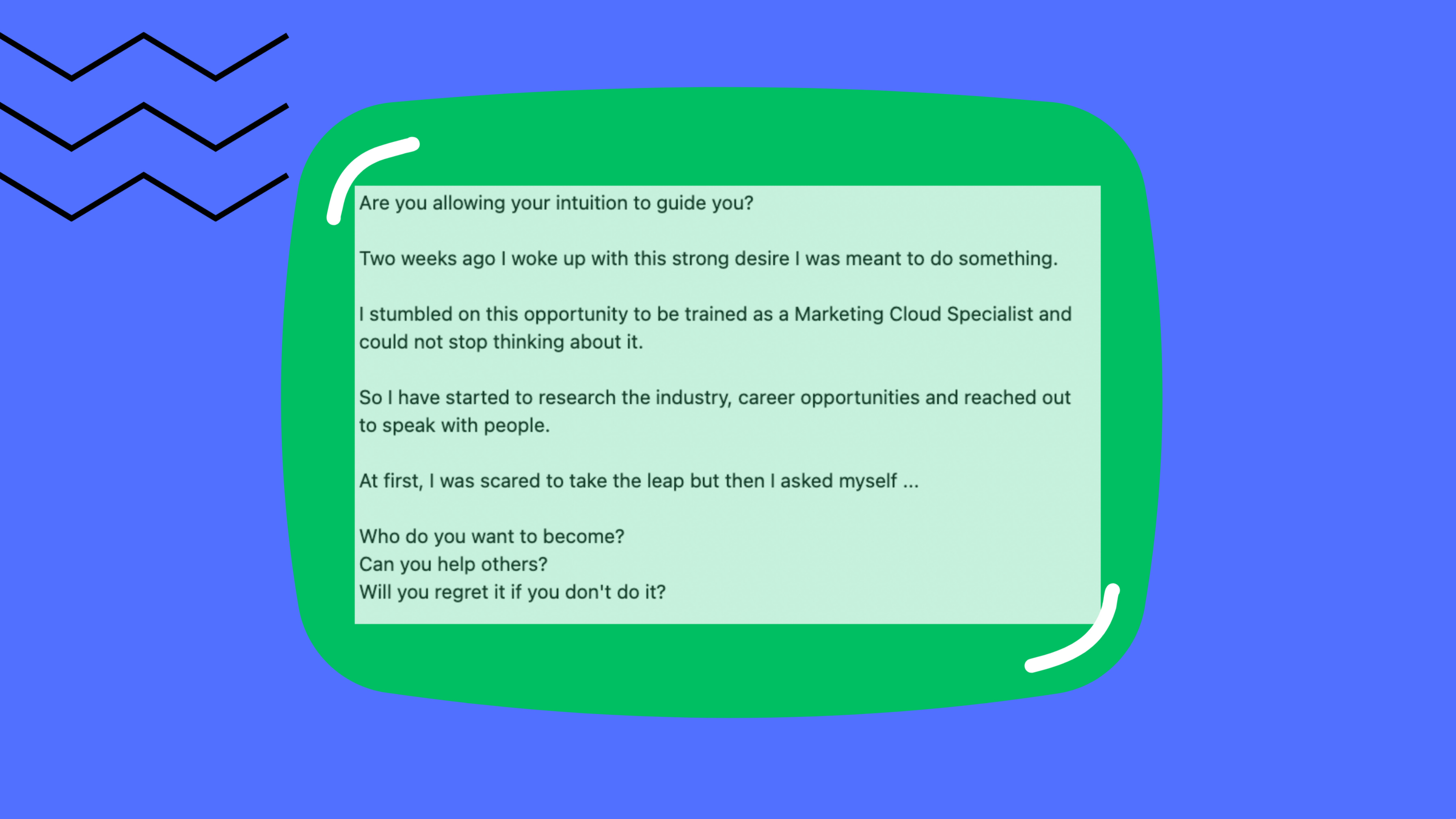
This was one of the first posts I shared publicly at the time — the moment I finally admitted what I felt internally:
Not only that, I paused my entire job search for four months. It made no logical sense, but internally it felt right. I trusted that if the clarity had arrived, the next steps would follow.
That’s the part most people miss:
your rebrand doesn’t start with colours or fonts.
It starts with a feeling you can no longer ignore.
Your intuition can lead you into the exact steps you need to take, even when they don’t make sense on paper. It won’t always offer the full plan, but it will give you the next right move and that is often enough.
Direction & Building a Brand
Once I committed, I did what I’ve always known how to do:
I positioned myself clearly.
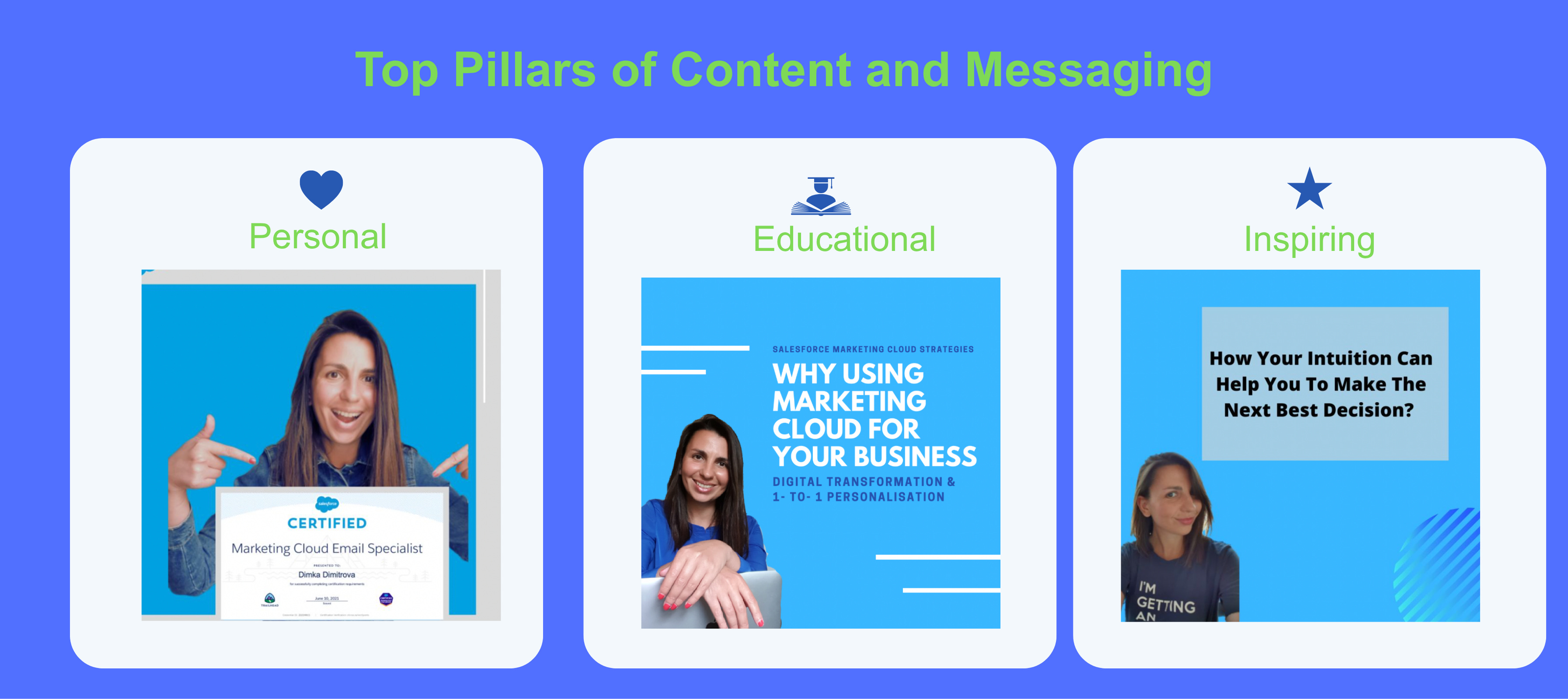
I created a brand that aligned with the company I wanted to work for, but filtered through my own creativity and voice. My core content pillars were personal, educational, and inspiring, and I used them with intention. I shared my own journey, broke down what I was learning, and offered simple, helpful insights about the technology — even though I had zero experience in it at the time.
What I did have was experience in content and storytelling.
So I built the brand around my learning curve.
Every day, I posted something useful. I shared the process, the mistakes, the small wins. Over time, my LinkedIn stopped reflecting who I used to be and started reflecting who I was becoming. I wasn’t trying to act like an expert — I was simply sharing the evolution in real time.
This is something I wish more people talked about:
intuition doesn’t just guide you spiritually.
It shapes your strategy, your tone, your positioning, and the way you show up. It tells you what to share, what to emphasise, and which direction to lean toward — long before it makes sense on paper.
Uniquely Prepared for the Opportunity
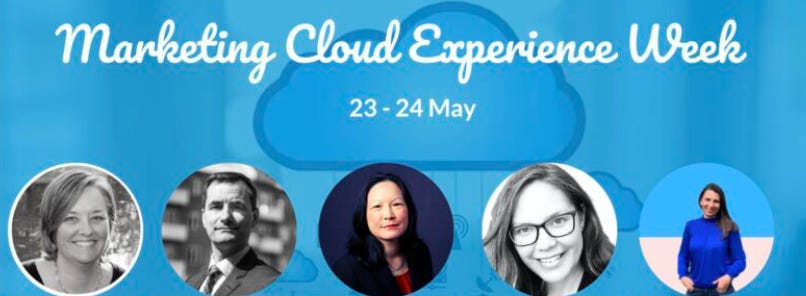
Four months later, opportunities started coming in. I was invited to panels. Recruiters reached out. Interviews lined up. In one week, I received two offers from top consulting partners.
And then something unexpected happened.
The same tech company whose name came to me in February started hiring from the training programme I had joined — for the first time ever. They had never partnered with that training provider before.
Suddenly, I was in the right place at the right moment.
The role felt aligned, even though it was risky. I had to walk away from two secure offers to pursue something that wasn’t guaranteed. The only thing I had to rely on was intuition.
Throughout the process, I followed every internal nudge:
— reach out to the hiring manager before the interview
— follow up after
— build a presentation differently
— trust the vision even when it wasn’t fully clear
When they reviewed my LinkedIn, they could see the brand I had already built — the values, the clarity, the alignment. Everything had prepared me for that moment.
And it all started with a nudge by the window.
Your Intuition Is a Strategy
That’s how intuition works. It rarely gives you the whole plan — only the next right step. And it’s only when you look back that you see it was the path that aligned your work, your direction, and your life.
Your intuition isn’t random. It’s one of the most reliable guides you have.
It can point you toward a new path long before the strategy appears.
It can shape your personal brand, influence what you create, and place you in opportunities you’re uniquely prepared for.
It can even help you navigate challenges in ways you could never plan for.
If you’re in a season of transition, trust the quiet guidance.
Clarity often arrives first.
Strategy follows.
And the alignment happens somewhere in between..
If you’re moving through a transition and want more support, you can find more guides and reflections here.

Two ways to work with me
Substack Audit: for creators who already publish.
I go through your Substack the way a new reader would: your home page, posts, welcome email, tags, structure, SEO, and messaging. You’ll receive a clear set of improvements, ideas, and next steps — all tailored to your writing style and goals.
→ Learn More Here.
Substack Setup: for those starting fresh or rebuilding.
If your account feels messy or you want to set it up properly from day one, I’ll help you structure your home page, categories, welcome email, design, and content plan in a way that feels aligned with who you are.
→ Start by filling in this form.


Transitioning here and your piece did resonate so clearly as it describes the exact situation I am presently living. Your words expressed it all so perfectly. I wish to follow your journey too. Thank you 🙏🏽